
1. Watermelon Is Technically a Berry
Botanically speaking, watermelon qualifies as a berry. It develops from a single flower with a single ovary, which places it in the same general category as grapes and tomatoes.
2. Watermelons Are About 92% Water
As its name strongly implies, watermelon is mostly water—around 92% of it. Because of this, watermelon is as much a food as it is a source of hydration, which is probably part of why it’s so popular in the summer.
3. Ancient African Origins
Watermelon traces its origins to northeastern Africa, where wild varieties were cultivated thousands of years ago. Evidence suggests it was grown in ancient Egypt and even placed in tombs (presumably as a snack for the afterlife). Over time, selective breeding transformed it from a relatively bitter fruit into the sweet fruit we know today.
4. The Rind Is Edible
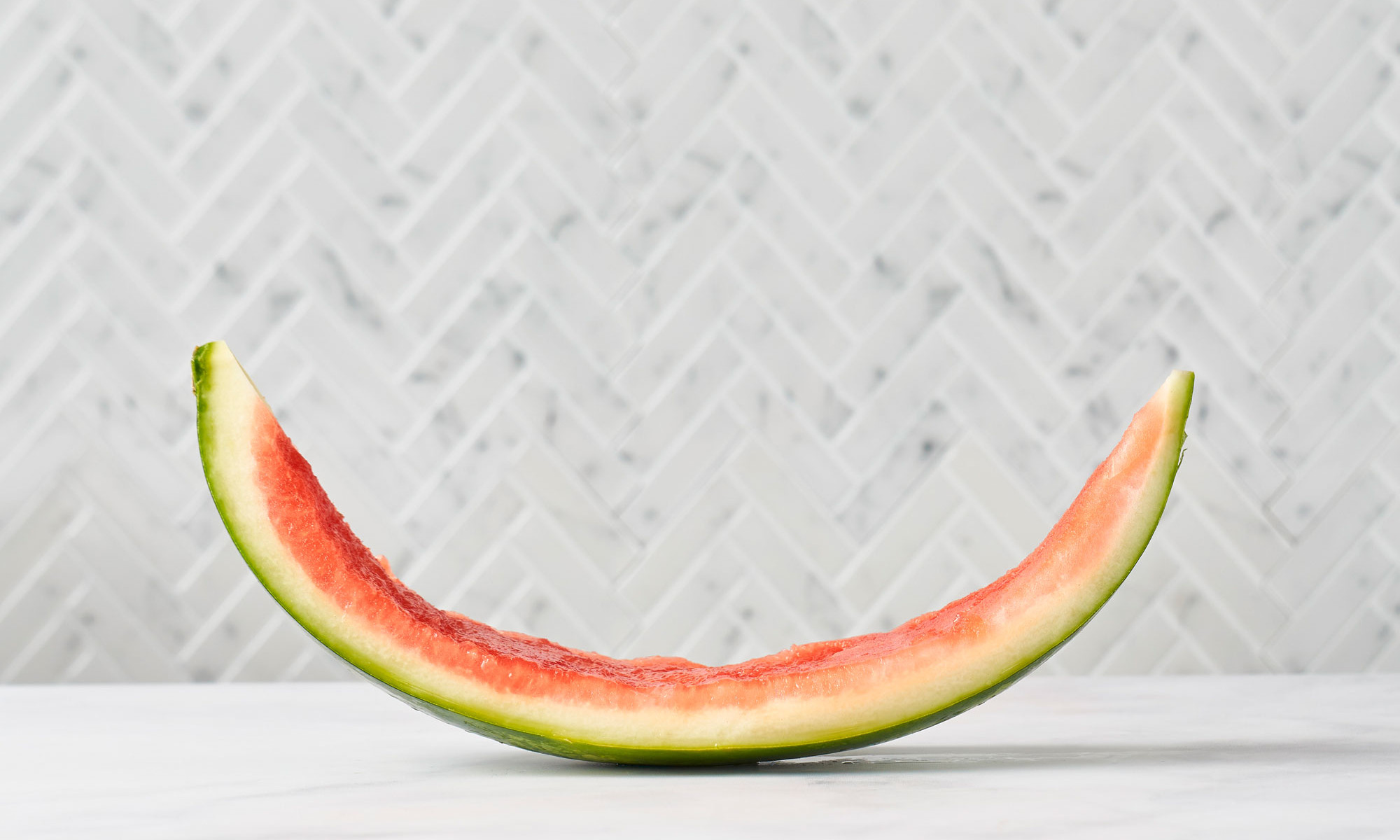
While most people discard the rind, it is entirely edible. In some cuisines, it is pickled, stir-fried, or otherwise repurposed into something less aggressively crunchy.
5. Seedless Variants Aren’t Genetically Modified
Seedless watermelons aren’t genetically engineered in the traditional sense of the term. They are created through selective crossbreeding to produce sterile hybrids that develop fruit without mature seeds. The result is a watermelon that spares you the minor inconvenience (and potential choking hazard) of seeds.
In summary, watermelon is technically a berry, mostly water, cultured, fully edible, and selectively bred for convenience. It’s hard to ask more of a fruit.
Resources
- “15 Astonishing Fun Facts about Watermelons You Didn’t Know | Blog | C&M Watermelon Imports.” C&M Watermelon Imports, 3 Apr. 2024, www.cmwatermelons.com/15-astonishing-fun-facts-about-watermelons-you-didnt-know-brought-to-you-by-cm-watermelons/. Accessed 1 Mar. 2026.
- “Watermelon.” Wikipedia, 19 Apr. 2021, en.wikipedia.org/wiki/Watermelon. Accessed 1 Mar. 2026.


Leave a Reply to Nicole Nagata Cancel reply